
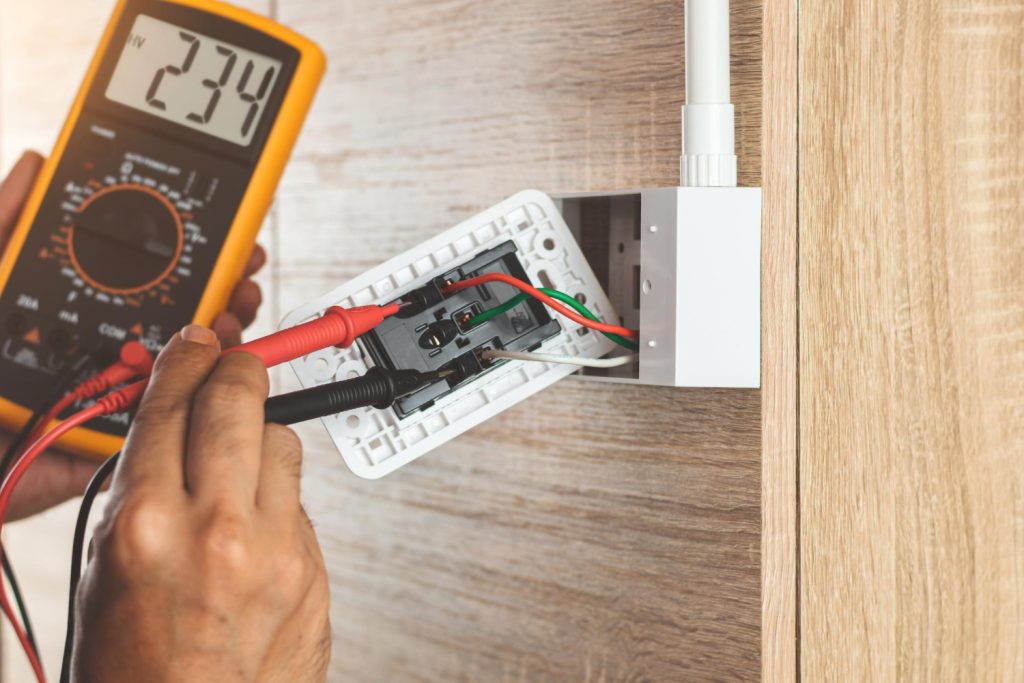
The colder months often mean longer nights, heavier blankets, and cranking up the heating. But as homes across Surrey turn on radiators, plug in heaters, and string up festive lights, the extra strain on the electrical system can sneak up fast. That is where a seasonal check goes a long way.
A winter-ready home is not just about keeping warm. A proper electrical safety inspection can help spot wear, faults, or signs of trouble before small issues create bigger risks. So before your heaters start doing the heavy lifting, here is a simple checklist to help make sure your setup is ready for the colder stretch ahead.
Check Your Fuse Board or Consumer Unit
Your fuse board, or consumer unit, is the heart of your home’s electrical system. If something is wrong there, it can affect the whole setup. It is a good idea to give it a quick once-over before winter kicks in.
• Look for signs of wear or damage around the board, things like discolouration, burn marks, or melted parts
• Check that all the labels are clear and up to date so circuits are easy to spot in an emergency
• If you hear any buzzing or crackling, that could mean loose wires or a failing circuit breaker and should be looked at by a qualified electrician
If you are not sure what something should look or sound like, it is always safer to ask a professional. This is not a part of the house where it makes sense to take a chance.
Look at Sockets and Extension Leads
As the weather gets colder, many families plug in more devices than usual. Portable heaters, heated blankets, air diffusers, they all take power. That often means more sockets in use or extra extension leads running across the floor.
• Look closely at sockets. Warning signs like soot, scorch marks, or cracked covers should not be ignored
• Avoid stacking too many high-powered appliances like heaters or dryers into one socket, which can lead to overheating
• If you find yourself needing multiple extension leads just to power a single room, it might be time to look at adding more permanent outlets
Living rooms and bedrooms often carry the brunt of the extra winter load, especially when heaters or drying racks are added. Keeping sockets clear and healthy can help prevent tripped breakers or worse.
Test Smoke Alarms and Carbon Monoxide Detectors
During winter, homes stay closed up tighter, windows get opened less often, and gas-based heating runs longer hours. That makes working alarms more than just helpful, they are safety basics.
• Press the test button on all smoke and CO detectors each month to make sure they still beep loudly
• If the unit needs batteries, be sure they are fresh. A faint chirp every so often usually means it is time to replace the battery
• Make sure your carbon monoxide detector is less than seven years old and positioned in a space close to heating appliances, especially gas heaters or fireplaces
If your home has never had a carbon monoxide detector fitted, this season is a good time to get one. It is a small step that can make a big difference.
Review Heating Appliances and Power-Heavy Devices
Before switching on that old electric heater stored in the cupboard or pulling out your electric blanket, it pays to take a careful look first. Any item that heats up tends to draw more power and gets used more during this season.
• Check cords for fraying or bends, loose wires can overheat in seconds
• Test switches and dials to make sure they still click into place properly without sticking
• Use appliances that include a timer or thermostat to help manage the heat flow and turn off automatically if they get too hot
Never run heaters overnight or leave them on when you are out of the house. No appliance is worth the risk of an overnight fire or power issue. If something looks worn or feels dodgy, it is safer to put it aside and get it inspected.
Spotting Trouble Before It Starts
A little bit of attention now can save a lot of worry later. Many electrical warning signs show up gradually, but they get worse the colder it gets and the more power gets used.
• Lights that flicker or dim could point to strain on the system or old wiring
• Circuits that trip regularly need checking before they take out half your home’s lighting on a busy evening
• Wall plugs that get warm to the touch are not safe and need a proper look
This is where a full electrical safety inspection comes into play. It gives you a clearer picture of how the system is handling the current demand. If anything is acting oddly, now is a good moment to call in professional support.
We are an NICEIC-approved domestic installer, providing home electrical inspections, fuse board upgrades, and emergency repairs throughout Surrey. Our team delivers compliance testing and electrical safety certificates in line with UK standards, giving extra assurance for property owners.
A Warmer Home with Fewer Risks
Taking a bit of time before the season settles in can go a long way. When you know your fuse board, sockets, alarms, and heating devices are in healthy shape, it is easier to enjoy the winter months without worrying if something might fail during the next cold snap.
Keeping your home safe does not always mean big changes. Often, it is the small fixes, like updating a label or checking a plug, that make the difference. With a few regular checks and care, we can all stay a little warmer (and safer) this season.
Prepare your Surrey home for the cold season with an electrical safety inspection from John Carpenter Electrical. Our expert team is ready to help identify and address hidden problems in your sockets, wiring, and appliances, ensuring your home remains both safe and cozy. Don’t wait for a power failure to catch you off guard; schedule your inspection today and enjoy peace of mind throughout the winter months.
