
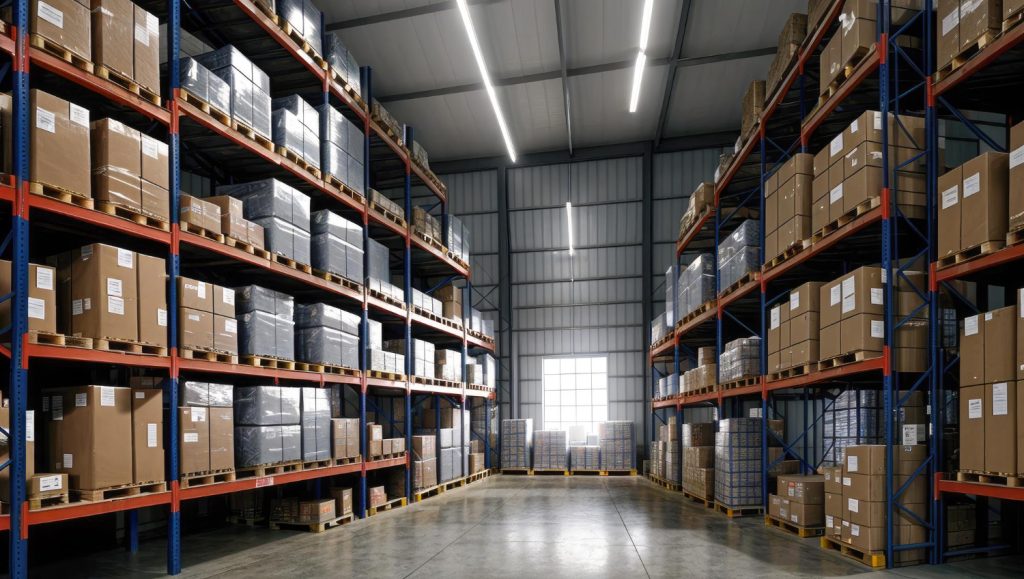
Most warehouses in the UK depend on a three phase power system to handle daily demands. These sites often run large equipment and strong lighting setups from early morning until late evening, especially as winter sets in. That extra strain on the system needs something more reliable than a single phase connection.
We often get asked why this type of setup is so common in commercial spaces like warehouses, particularly here in Surrey. The short answer is that it’s about stability and strength. The longer answer includes managing heavy loads, keeping operations smooth during peak seasons, and staying prepared for growth. Let’s look at what makes this setup so common and, in many cases, necessary.
What Makes Three Phase Power Different
To start, single phase systems supply electricity using one alternating current. It works well for homes or smaller setups but can struggle when demand gets high. A three phase power system uses three alternating currents instead, spaced evenly across the cycle. This creates a much steadier flow of power.
• Equipment like conveyor belts, pallet jacks, fans, and large lighting fixtures run more reliably with a balanced supply
• Voltage stays more consistent across the system, which helps prevent sudden drops that can freeze equipment in place
• It can handle heavier loads without the frequent tripping or overheating found in overworked single phase units
We often rely on this dependability. From moving large shipments to climate control and high power lighting, stability becomes non-negotiable. And during those long, dark winter days, every added layer of resilience helps.
We design, install, and upgrade three phase distribution systems for commercial and industrial facilities throughout Surrey. As NICEIC-approved contractors, we ensure every installation meets the latest safety and operational standards for warehouses, factories, and logistics sites.
Winter Demands and Warehouse Equipment
December through February tends to put extra pressure on power systems. You’ve got heating running longer hours, added lighting in loading bays, and sometimes cold storage systems working overtime. Together, these introduce a heavier-than-usual load.
A three phase power system handles this in stride. It splits the demand more evenly across circuits, helping avoid strain that might trip breakers or melt wiring. This helps keep operations on track at a time of year when delays are harder to come back from.
• Lights and tools run more smoothly, even during early mornings or evening hours when demand peaks
• Fewer power disturbances help protect perishable goods, reduce outages, and avoid maintenance shortfalls
• Seasonal spikes in warehouse activity often reveal the limits of smaller systems, making three phase a smart choice for winter reliability
We’ve seen how power disruptions often happen at the worst time, right when heating, lighting, and equipment are all busiest. Investing in the right system helps put a buffer between your business and that kind of holiday headache.
Supporting Growth and Efficiency in Larger Warehouses
Older industrial buildings weren’t always built with expansion in mind. Over time, as more machinery is added or the layout shifts, the electrical system needs to grow too. Single phase supply can quickly fall behind.
Three phase setups are flexible enough to support changes without rewiring the whole space. Whether the building takes on more storage, adds new lighting circuits, or brings in high-powered lift equipment, the system can scale with the site.
• Larger sites often need more outlets, higher draw points, and extra backup systems
• Three phase supplies more current without putting extra heat or stress on cables
• Distributing energy more efficiently across the site can cut down on random outages or flickering
Growth doesn’t always happen in big leaps. Sometimes it’s a series of smaller upgrades. But together, they can overwhelm an unprepared system. Planning for that growth with a stronger supply can save time and disruption in the long run.
Safety, Longevity, and System Stability
One overlooked benefit of a three phase system is safety. Because the load is balanced more evenly, there’s less strain on any one circuit. Cables stay cooler, breakers last longer, and the chance of a full power failure drops significantly.
• Heat-related wear on wires and units is reduced
• Machines connected to a cleaner, steadier current tend to last longer and break down less
• Consistent delivery lowers the risk of fire hazards linked to overloading
We’ve walked through more than one warehouse where heating units were dealing with flickering voltage or panels that felt warm to the touch. These are signs that the current setup is overworking. A softer running system isn’t just more efficient, it’s safer.
We also offer thermal imaging inspections and periodic EICR testing to catch signs of overheating or electrical imbalance before they become costly workplace issues.
Why It Matters for Industrial and Distribution Centres
Sites handling heavy logistics, moving parts, and cold storage often run operations day and night. That type of demand isn’t kind to outdated setups. Equipment like forklifts, security doors, loading dock lifts, and emergency power all rely on a dependable flow.
Three phase gives these centres added confidence. Because power flows consistently and at higher capacity, there’s less chance that one piece of gear pulls down the whole grid. Even if one unit draws more energy, the system spreads out the impact better.
• Uninterrupted operations mean fewer delays in shipments and less product spoilage
• It supports scaling tech, like automated sorting lines, smart sensors, and backup batteries
• As businesses grow, especially after upgrades or seasonal hires, power needs climb fast
Technology in warehouses is changing too. Systems that once ran on low energy inputs now need more to stay smart and connected. Choosing the right power core gives room to grow into these changes without requiring an overhaul later.
Plan for Reliability and Future Growth
Getting through the colder months smoothly is something every facility manager wants. Knowing the lights will stay on, the gear will keep running, and heating won’t glitch can bring peace of mind during one of the busiest stretches of the year.
For many warehouses, a three phase power system offers exactly that kind of stability. It keeps things balanced under heavier use, offers room to expand, and helps reduce wear on expensive industrial equipment.
It’s not about overbuilding, it’s about matching your supply to the way you actually run the site. That connection between setup and performance becomes most visible during winter when every part of your system is working harder. The stronger the core, the easier it is to carry the load.
Is your warehouse in Surrey ready to tackle the demands of winter and beyond? A reliable three phase power system can provide the stability your operation needs to handle peak loads effortlessly. At John Carpenter Electrical, we specialize in designing and upgrading systems that ensure seamless performance during critical periods. Connect with us today to explore how we can enhance both safety and efficiency for your evolving warehouse needs.
