
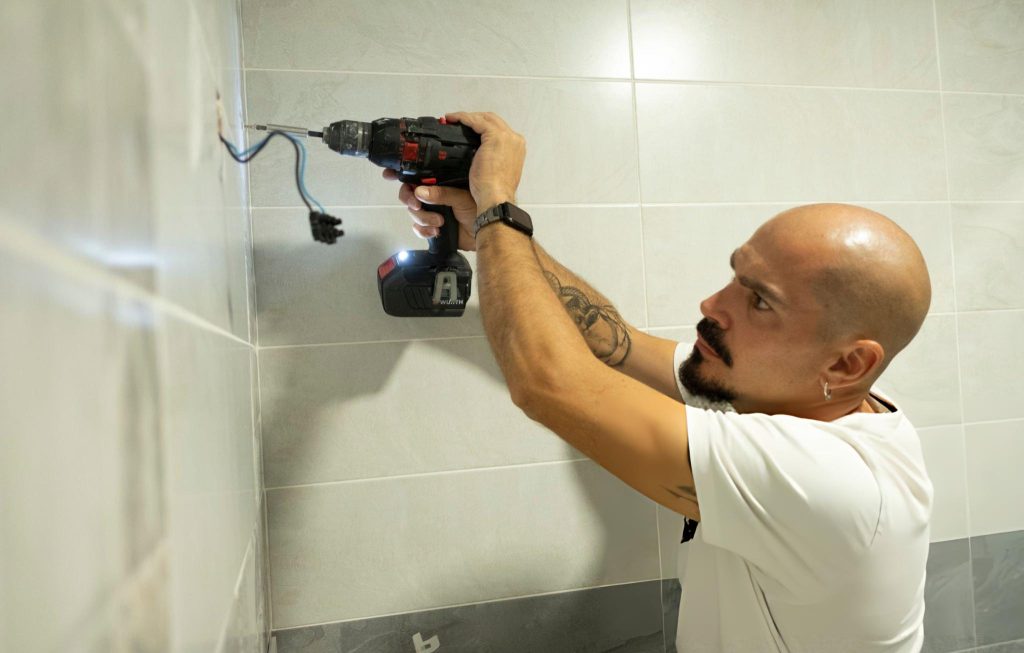
Bathrooms can be a tricky space when it comes to electricity. With water, steam and moisture in the mix, safety becomes a top priority. That’s why strict rules are in place when planning lighting or any kind of electrical work in the bathroom. One of the most important things to understand is how IP ratings work. These ratings help decide what kind of light fittings are safe to use and where they can be installed.
IP rated lighting isn’t just a technical term. It’s a key part of keeping your bathroom safe. Homeowners in Surrey often aren’t aware that using the wrong light in the wrong place could lead to serious problems, even electric shocks. So before choosing lights based on style or brightness, it helps to understand the basics of IP ratings and how they fit into safe bathroom electrical installations.
What Are IP Ratings?
IP ratings stand for Ingress Protection ratings. They show how well a device or fitting is sealed against solids like dust and liquids like water. In simple terms, it tells you how protected something is from its surroundings, which is incredibly important in wet or damp areas like bathrooms.
The rating usually comes in two numbers after the letters IP. For instance, IP44 or IP67. Here’s a quick breakdown of what those numbers actually mean:
– The first number tells you how protected the item is from solid particles. A higher number means better protection. For example, 0 means no protection, while 6 means it’s completely dust tight.
– The second number shows protection against moisture. Again, the higher the number, the better the resistance, from dripping water to full immersion.
So if you see IP67, it means the fitting is both dust tight and can handle being fully submerged in water for short periods. For a bathroom, that’s quite useful depending on where the light will go. On the other hand, IP44 would be splash-resistant, enough for areas away from the bath or shower.
To give an example, someone renovating their en-suite in Surrey chose ceiling spotlights without checking their rating. They looked fine, but one of them stopped working after a few months due to steam build-up. It turned out the spotlights were suited for dry indoor areas, not humid ones. A quick switch to IP65-rated lights solved the issue, giving them peace of mind and better function.
Knowing what IP rating to look for helps make sure your bathroom is well-lit and protected. The next step is understanding where in the bathroom each rating is needed, based on how close it is to water sources.
Specific IP Ratings For Different Bathroom Zones
Bathrooms are split into zones depending on their distance from water outlets like showers and baths. Each zone has specific rules to help guide what kind of electrical fittings can be safely installed there.
Here’s how bathroom zones are usually defined:
1. Zone 0: Inside the bath or shower tray. Fittings here must be low voltage (usually 12V) and have a minimum rating of IP67, which means they can be submerged in water.
2. Zone 1: The area directly above the bath or shower, up to 2.25m from the floor. Lights here need at least an IP65 rating to resist water from splashes and steam.
3. Zone 2: Extends 0.6m outside the outer edge of Zone 1, and around the washbasin. This area also requires fittings with at least IP44 protection.
4. Outside Zones: Anywhere beyond Zone 2. Here, IP ratings are less strict, but it’s still a good idea to use fittings with some water resistance, especially in a steamy bathroom.
When choosing light fittings, always match the IP rating with the zone it’s going into. It’s not just about following the rules. It’s about making sure your bathroom lighting won’t fail or become unsafe. Waterproof LED strip lights, recessed ceiling spotlights or even mirror lights all come with rated versions. Matching them to the right zone ensures proper safety and function from day one.
Importance Of Professional Installation
When it comes to bathroom electrical installations, having a professional handle the job isn’t just a good idea. It’s safer and legally required in most cases. Bathrooms are classified as special locations under UK wiring regulations, which means there are strict rules around what work can be done and who is qualified to do it. A licensed electrician will know how to follow these rules, keeping your home and everyone inside it safe.
One of the biggest risks of incorrect installation is electric shock. It doesn’t take a lot of water, steam or even condensation to make poorly installed lights dangerous. The same goes for fittings that have the wrong IP rating. What looks safe on the surface can turn into a hazard over time. That’s why experienced electricians check all parts of the bathroom layout, from ceiling height to water sources, before recommending fittings.
A good installer can also spot spacing issues, ventilation problems or other things that affect how electrical work holds up over time. They know how to balance function with safety and can guide you to the right choices without overwhelming you with technical jargon. Most people in Surrey aren’t electrical engineers, and they shouldn’t have to be. Working with a professional helps remove the guesswork.
Here’s what a qualified installer will do:
– Assess conditions in each bathroom zone before selecting fittings
– Recommend appropriate IP-rated lighting for wet and dry areas
– Install all components safely and in line with UK wiring regulations
– Test fittings and circuits to confirm safe operation
– Offer options for energy efficiency and durability
There’s peace of mind in knowing your bathroom lighting won’t just work. It’ll stay safe long after the installation is complete.
How To Maintain Safe Bathroom Lighting
Once the proper lights are in and working, it’s easy to forget about the upkeep. But even IP-rated fittings need regular checks to stay reliable. Damp conditions can impact seals, wiring can age, and airborne dust or soot can build up more quickly in bathrooms than in other rooms. This makes occasional maintenance a good idea.
You don’t need a detailed checklist or complicated routine. Just focusing on a few practical steps can go a long way:
– Look for any signs of moisture around fittings, especially in high-use areas
– Check that light covers and seals are in place and undamaged
– Make sure exhaust fans are working well to reduce humidity
– Replace bulbs with suitable, rated types. Don’t swap in cheaper alternatives
– Schedule occasional checks, especially after home renovations or if moisture levels change
A regular visit from a qualified electrician can also help spot issues you might miss, like hidden corrosion behind fittings or subtle flickering that points to wiring problems. It’s best not to wait until something fails.
Investing a bit of time in simple maintenance can prevent more expensive or dangerous issues down the line. It also means you can enjoy your bathroom without wondering whether the lighting is safe, especially if your household includes kids, older adults or anyone with mobility concerns.
Keeping Your Bathroom Electrically Safe
Keeping your bathroom safe goes beyond picking something that looks nice. IP ratings give you a straightforward way to understand how protected your light fittings are, depending on where they’ll be used. Choosing the wrong type for a specific zone could not only damage the fitting but also create a fire or shock risk in the long run.
What’s just as important is recognising that bathroom lighting rules aren’t just generic. They’re meant to be applied with care, depending on your exact setup. In places like Surrey, where many homes have older wiring or compact bathrooms, small layout choices can make a big difference in how fittings interact with moisture.
The key takeaway is this: check the zone, know the rating, and make sure it’s properly installed. Whether you’re updating the lighting for comfort or giving the whole bathroom a refresh, every small decision adds up to a safer space.
Electrical safety might not be as exciting as choosing tile patterns or shower screens, but getting your lighting right means less stress and fewer problems down the line. That makes every switch-on feel a whole lot better.
For thorough assistance with every electrical need for your home, particularly with expert bathroom electrical installations, trust the experience of John Carpenter Electrical. Our team is ready to help you create a safe and efficient bathroom lighting setup tailored just for you. Whether you’re planning a renovation or simply upgrading your space, rely on our expertise and commitment to ensure your peace of mind in your Surrey home.
