
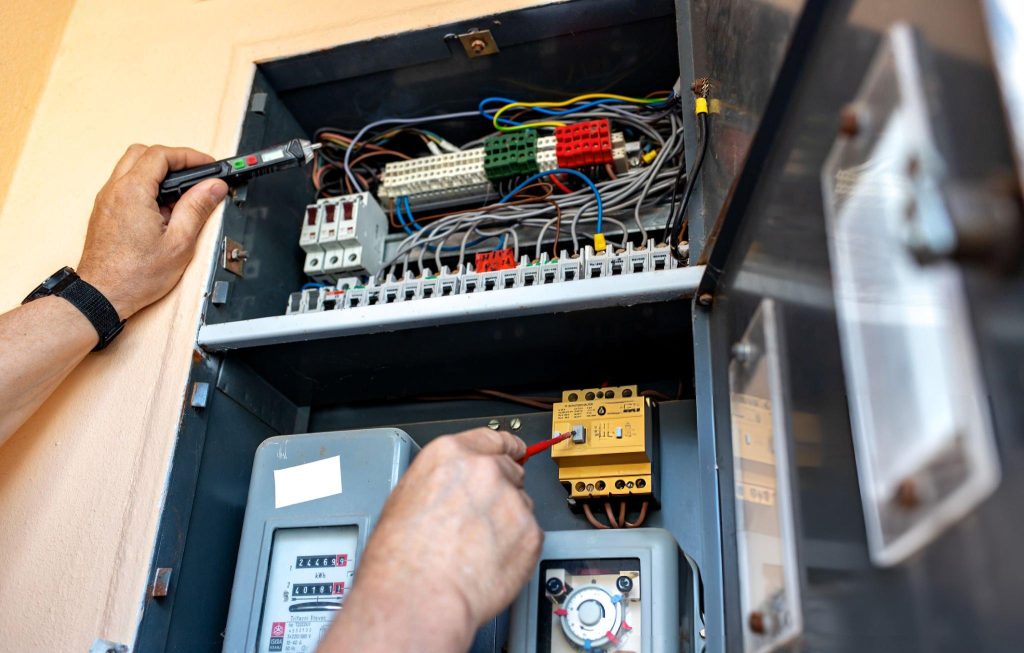
You’re putting on the kettle, the microwave’s running, and—click. Everything cuts out. Again. If your circuit breaker keeps tripping out of the blue and plunging you into silence and darkness, it’s not just annoying, it’s also a clear sign that something’s off. This sort of problem has a way of repeating itself at the worst times, often when you’re relying on power the most. Whether you’re getting ready for dinner or settling into a quiet evening, having to visit the fuse box over and over gets old pretty quickly.
It helps to know what might be causing the problem before it gets worse. Circuit breakers are meant to protect your home, not drive you mad. Spotting the reasons behind the constant tripping can make a big difference in staying safe and saving your sanity. If you’re based in Guildford or nearby, and your breaker’s starting to feel like a daily nuisance, it could be time to get it checked out by a local expert.
Understanding Why Circuit Breakers Trip
Circuit breakers are simple in principle. They’re designed to shut off electricity when something isn’t right—like too much current flowing through a circuit. This is a safety feature. It prevents overheating, damage to appliances, or even fire. So if your breaker keeps tripping, it’s doing its job. But what exactly is triggering it?
Common reasons include:
– Overloaded circuits: This happens when too many appliances or devices are running on a single circuit. Think of it like cramming too many people into a lift. Eventually, it just won’t work as intended. You might notice this when using several kitchen appliances at once, or adding a space heater to an already busy extension socket.
– Short circuits: A short circuit means a live wire has touched a neutral wire, which causes a sudden spike in current. This can happen if wires are damaged, worn out or installed improperly, and it usually results in an immediate trip of the breaker. It often comes with signs like a burning smell or blackened outlets.
– Ground faults: Similar to a short circuit, this involves a live wire touching the metal casing of an appliance or the ground wire. These are hazardous and may also produce a small shock or buzzing sensation when you touch something metallic.
Here’s a simple example. A homeowner in Guildford noticed their breaker kept switching off every time they ran the dishwasher and tumble dryer together. The issue? Both appliances were on the same circuit, and the combined load was just too much. Once they rearranged how things were connected and had a few checks done, the problem stopped.
Even if the fault seems small at first, repeated switching off is a warning worth listening to. Each time the breaker trips, it’s alerting you to something more serious that could be waiting to happen.
Immediate Steps To Take When Your Breaker Trips
The next time your circuit breaker flips, don’t just flip it back and hope for the best. Before resetting anything, it’s better to go through a few quick checks. That way, you can spot if it’s a one-off or part of a pattern that needs more attention.
Here’s what to do:
1. Unplug a few devices around the part of the house where the power went out. That reduces the load on the circuit.
2. Check the consumer unit (fuse box) for any switches in the off position, especially those labelled sockets, kitchen, lighting or similar.
3. Reset the breaker by pushing the tripped switch firmly off, then back on again.
4. Watch what happens next. If it trips again right away, stop and don’t repeat the process. There may be a fault that needs attention.
It’s best not to keep flipping the same breaker over and over. That doesn’t fix the cause and could lead to other problems. For example, exposed wiring or damaged plugs could pose a big risk if power is restored to them again and again. If you notice any sparks, heat or odd noises around sockets or lights, it’s time to step back and consider calling in professional help.
Getting these early warning signs checked by someone local and qualified can save you a lot of stress later on, especially if you need advice from an emergency electrician in Guildford. Electrical issues don’t tend to fix themselves, and if left too long, they can interrupt much more than just the lights. The key is acting early, safely, and sensibly.
When To Call An Emergency Electrician
If your circuit breaker keeps tripping, and you’ve ruled out the small stuff—like too many things plugged in at once—it might be time to bring in a professional. Some warning signs should never be ignored, as they could point to deeper electrical problems that are both dangerous and hard to diagnose without proper tools or experience.
You should speak to a qualified emergency electrician if:
– The same breaker trips again right after resetting it.
– You see sparks, black marks, or feel heat near sockets or switches.
– There’s a burning smell coming from your consumer unit or any plugs.
– Lights flicker regularly when other appliances start up.
– You hear buzzing sounds from outlets or fixtures.
These could signal wiring problems, ageing circuits or inefficient setups. Relying on guesswork or online videos might make the issue worse. Electrical systems are complex, and even small faults can be part of a bigger risk. For example, a family in Guildford thought their tumble dryer was faulty due to tripping. After a local electrician checked things, it turned out a frayed wire in the wall was the real culprit—luckily caught before it caused damage.
If there’s ever a time to play it safe, it’s when power and safety cross paths. Getting help from someone experienced means the issue gets sorted properly, without putting anyone or anything at risk. Having someone local attend quickly, especially in an emergency, can bring peace of mind and a faster fix.
Preventive Measures To Avoid Future Tripping
Once you’ve had things fixed or reviewed, it’s worth making a few small changes around the home or business to help prevent breaker trips in the future. Keeping your electrics working well doesn’t have to be complicated.
Try these steps:
1. Spread out the use of heavy-load appliances, like tumble dryers and kettles. Try not to run them all at once on the same circuit.
2. Use surge protectors with extension leads to help manage sudden loads and unexpected surges.
3. Keep sockets free of dust and moisture, and be wary of older appliances with worn plugs.
4. Schedule regular checks of your wiring and circuit breakers, especially if the building’s a bit older or has had lots of additional devices added over time.
5. If you still have an older-style fuse box or notice frequent issues, it may be worth upgrading your overall system to match today’s power needs.
The aim is to prevent overloads and spot risks early, rather than waiting for something to trip again. People often assume circuits can handle more than they’re built for, especially when new tech or appliances are added. But even one extra device in a busy corner of the kitchen might push things over the limit. Having a clear understanding of your home’s electrical limits goes a long way.
It’s also worth paying attention to smaller cues—like appliances that buzz, switches that feel loose, or lights that dim briefly. These signals are often missed until a bigger issue surfaces. Regular inspection and doing a few simple things around the house can keep everything running smoothly.
Keeping Your Home Safe From Electrical Issues
Repeated breaker trips are more than just frustrating—they’re a sign. And it’s important not to ignore them. Whether it’s a single overloaded plug or something more serious going on behind the scenes, taking the time to understand what’s happening can protect your property and your peace of mind.
In Guildford, particularly, where older buildings and new tech often mix, it’s even more important to be aware. Tripping doesn’t always mean a major repair is needed, but it’s best not to push your luck. If it’s happening regularly, the safest route is calling someone trained to have a look. Quick fixes might work once or twice, but true peace of mind comes when you know the system is sound.
At the end of the day, electricity is something you rely on every day—at home, in the office, even to charge your car. Making sure your circuits are safe, steady, and suited to your needs is one less thing to worry about. Let experts take on the hard part so you can get back to living without flicking the switch back on every other evening.
If you’re dealing with frequent electrical issues and need expert advice, don’t wait for a small issue to turn into a big problem. Reach out to a trusted emergency electrician in Guildford. John Carpenter Electrical provides reliable support to ensure your home remains safe and secure.
