
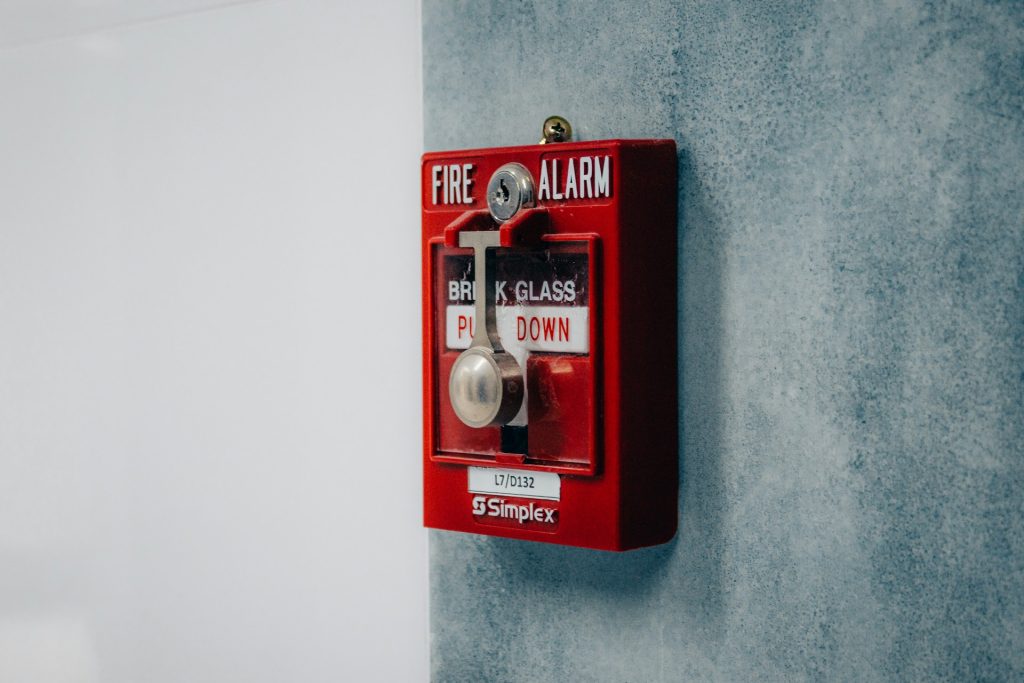
Fire alarm installation is one part of building safety that should never be rushed or overlooked. In commercial spaces, it plays a clear role in helping people get out quickly and safely if something goes wrong. Whether you’re running a small office in Guildford or managing a set of units on a larger site in Surrey, having the right system installed gives everyone more peace of mind.
We work with a range of business properties, and every one of them needs something slightly different. Some need alarms that can handle busy footfall all day, others need to cover quiet corners or back exits. But the general process usually follows a clear path. Here’s how fire alarm installation is managed in commercial buildings, from risk checks to final testing.
Understanding Fire Risk in Commercial Buildings
Every commercial building carries some kind of fire risk, though the level and type can vary. Places like cafés with kitchens need a different plan than retail shops with lots of storage. Even office blocks, which might seem low risk, can build up hazards with overloaded sockets or blocked escape routes.
- The size of the building often affects what type of system will be needed
- Buildings with more people inside regularly, such as shops or schools, usually need more detection points and better coverage
- Sites with high electrical usage or tools on hand may need heat sensors alongside smoke detectors
These risks all tie into how a system should be built. The main goal is early warning so that people have time to leave safely. That means thinking about where alarms need to be, how loud they are, and how easy they are to hear throughout the building.
Planning the Right Fire Alarm Setup
Getting the right setup starts before anything’s installed. It begins with a full check of the space and a walk-through of possible dangers, exits, and room layouts. This part sets the foundation for everything that follows.
- A site inspection helps flag key risks and tricky areas where extra coverage might be needed
- Plans are drawn up to match layouts with alarm zones and clear direction signs
- Different detectors are chosen based on how the space is used (heat, smoke, or manual call points)
For example, we often use heat sensors in kitchens or workshops where steam and dust are frequent. Manual call points are placed at exits or staircases so people can trigger alarms quickly if they spot something. These decisions help the system fit the building rather than forcing one type to suit all.
Step-by-Step Overview of Installation
Once the plans are agreed, we move into actual installation. This often takes place in zones to avoid shutting down the whole site if it’s already in use. The work itself involves both fixing components in place and making sure they meet current safety codes.
- Wiring is run discreetly and securely, either through ceilings or along walls in protective casing
- Control panels are installed in locations where staff can access them easily
- Detectors, sounders, and manual call units are fixed into their position following the layout plan
As the final step, every part of the system is tested with live faults, simulated smoke, or button triggers. It’s not signed off until it works without fail. Staff are usually walked through the basics at this stage so they understand which alarms are where, how to silence false alerts, and what to watch out for.
John Carpenter Electrical is an NICEIC-approved contractor with experience designing and installing fire alarm systems for Surrey’s commercial properties. Our solutions include integration with emergency lighting, centralised controls, and regular maintenance to suit both independent premises and multi-site businesses.
Keeping Systems Reliable Over Time
Just installing the system isn’t enough on its own. Like any other part of a busy building, alarm systems need regular checks to keep them doing their job properly. Over time, parts can wear out or get damaged without anyone noticing.
- Regular servicing is needed to catch broken sounders, dusty detectors, or dead batteries
- Periodic tests include sounding alarms to check coverage hasn’t changed or dropped
- If the building layout shifts, like with a new wall or room use, the alarm system should be updated to match
We often remind clients that even moving a door or using a new space for storage can throw off the old plan. Keeping the alarm system tight against how the building is used today means people still have a safe route out, whatever changes come up.
What to Expect After Installation
Once fire alarm installation is complete, there’s still a bit to do. Staff need to understand the layout and what each part does. Without that daily awareness, even the best system won’t work to full effect.
- Basic training often includes how and when to press call points, silence false alarms, and respond to alert noises
- The system setup and test results are logged, usually into a fire safety folder for future checks
- These records are useful during inspections, tenancy changes, or annual maintenance reviews
It’s helpful if at least one person in the building knows how to reset the system or report faults straight away. That keeps delays limited and shows that the building takes fire safety seriously.
Making Your Building Safer and Smarter
When a fire alarm system is planned well and looked after, it gives people confidence just by being there. It shows that someone’s thinking ahead and making choices that protect life and property every day. Fire alarm installation should line up with the way the building is actually used, not just how it looks on a drawing.
With spring approaching, it’s a good time to assess current systems and think about any building changes coming. Busy footfall, warmer days, and shifting work patterns all affect how a site functions. With the right setup in place, your building stays one step ahead of potential risks, making it safer for your staff, your customers, and your day-to-day work through the months ahead.
Ensure your property’s safety this season with expert fire alarm installation by John Carpenter Electrical. Our tailored approach guarantees you the best system fit for your unique commercial space, ensuring early warnings and secure evacuations when needed. Trust our experienced team to provide comprehensive solutions that prioritize your staff and customer’s safety as activity ramps up. Contact us today to discuss your setup needs and secure your premises with confidence.
