
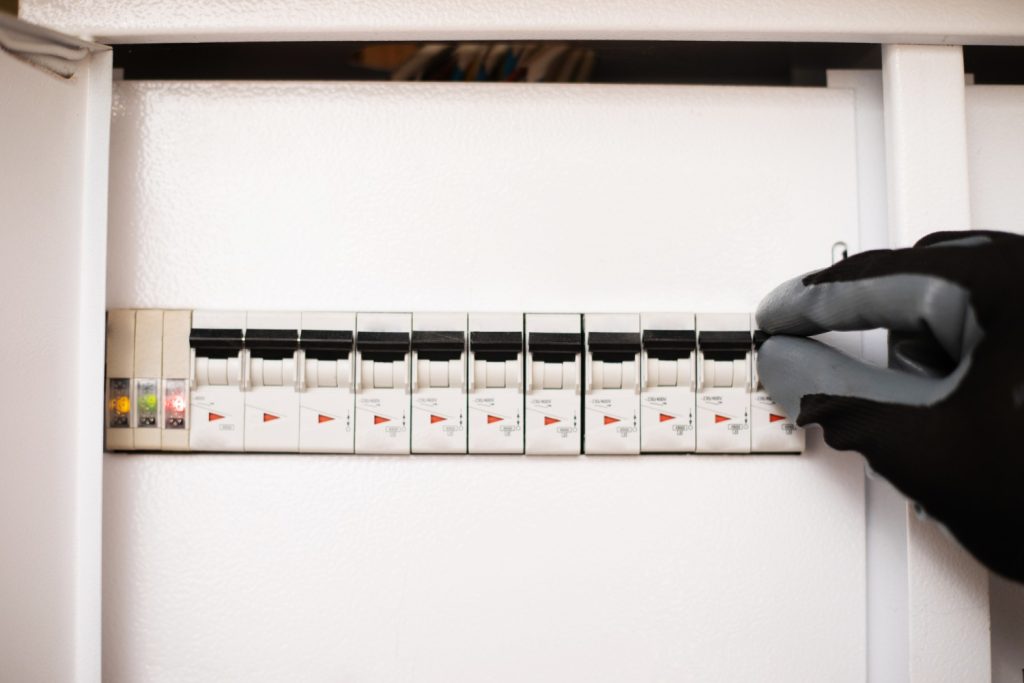
Circuit breakers are one of those things tucked away in a corner of the house that we don’t think about until something stops working. But they play a key role in home safety. Whenever a circuit gets overloaded or a fault shows up, the breaker cuts the power to prevent further damage. It’s a piece of gear that quietly does its job until it doesn’t.
If lights keep flickering or appliances randomly shut off, the issue might be more than just bad timing. It could be that your breaker is wearing out. Knowing when a circuit breaker replacement might be needed helps you act early, avoid repeat problems, and keep your home running safely. Here’s how to spot trouble before it turns into a bigger job.
Common Signs Your Circuit Breaker Might Need Replacing
Most of the time, a working breaker goes unnoticed. But some signs are hard to ignore.
• One of the earliest clues is tripping that happens more than once without an obvious reason. If you flip the breaker back on and it trips again minutes later, it’s worth paying attention.
• You might also notice burn marks, a strong smell, or a strange humming sound near the box. These signs should never be ignored as they point to possible overheating or arcing.
• If the switch becomes stiff or seems loose, or if it just won’t reset at all, that could mean internal parts have worn down.
When problems keep turning up and nothing else in the system looks damaged, the breaker could be the issue. That’s when it makes sense to stop guessing and let someone take a proper look.
Why Breakers Wear Out Over Time
Nothing lasts forever, and that includes breakers. Even a good one will wear out eventually, especially if the home is older.
• Over time, regular usage takes a toll. Breakers meant to trip only now and again can start weakening if they’re called into action too often.
• Big lifestyle changes also affect the system. Adding an extension, using more high-powered devices, or switching to electric heating in winter can all increase the load.
• Environmental damage plays a part too. Breaker boxes placed near damp areas or exposed to cold drafts, especially during Surrey’s winters, are more likely to wear down early or develop faults.
Understanding how these problems build up can help you stay a step ahead. A breaker that’s been under stress for years might not keep up with new demands, even if it’s still working, kind of.
When to Act vs. When to Wait
It can be tricky to decide if something just needs a reset or needs replacing. One short-lived problem doesn’t always mean the whole thing is failing. But regular signs or repeat trips across different rooms shouldn’t be ignored.
• If your breaker seems to fail during normal activity, like running a kettle and toaster at once, it’s worth checking if it’s worn down rather than overloaded.
• Waiting too long can make the system unsafe. Overheating, unexpected shutoffs, and trouble resetting the breaker are all reasons to act sooner.
• It’s easy to brush off electrical issues until something stops working. But a check from someone who deals with these systems every day can save time and keep things safe before small problems grow.
Replacing a circuit breaker before it completely fails is a way to avoid bigger surprises and reduce the risk of sudden faults.
What a Safe and Proper Replacement Involves
A circuit breaker replacement isn’t complex, but it should always be done safely. There’s more to it than just switching out one part for another.
1. The first step is shutting off power and testing the rest of the system. This helps catch any underlying problems, like loose wiring or corroded parts.
2. After removing the old breaker, the condition of the slot and nearby cables is checked. If anything nearby has damage, it’s dealt with right away to avoid repeat issues.
3. The new breaker needs to match both load and usage. For homes that may upgrade appliances or switch to more electric systems later, thinking ahead here can save hassle later on.
It’s not something we recommend doing alone. One wrong move here affects the entire electrical system, and it’s not worth the risk.
As an NICEIC-approved contractor, we provide circuit breaker replacement as part of our wider home electrical services in Surrey. Our team tests, repairs, and upgrades consumer units to meet current UK standards, giving families reassurance through safe, up-to-date installations.
Avoiding Trouble Later On
Winter is a good time to think about problems that might be hiding behind the walls. Damp air, reduced light usage, and cold spaces around fuseboards can all affect your wiring and breakers.
• In Surrey, unexpected cold snaps and higher power use during February make any weak spots more obvious. If a breaker fails now, warmer weather won’t fix it.
• Between heating systems, lights, and kitchen gear running longer during shorter days, this is often when older systems start to show their age.
• Early spring is when many homes start work on lofts, extensions, or garden rooms. Getting your breaker board sorted out now can prevent delays when that work begins.
Thinking ahead might not seem urgent, but it cuts down the chances of emergency work when schedules are tighter and longer daylight returns.
Know When It’s Time to Make the Change
Nobody wants surprise work, especially when it means pulling out the fuseboard and rewiring. But when a breaker keeps tripping, won’t reset, or shows signs of heat damage, it’s time to act. Leaving it too long doesn’t just risk your comfort, it affects safety too.
A proper circuit breaker replacement gives you more control, keeps your setup reliable, and means fewer interruptions during the day. Whether you’ve just moved in or lived in your home for years, it’s one of those small changes that supports daily life in a big way. Once it’s done, you stop thinking about your electrics and get back to running the house like normal.
Don’t let circuit problems disrupt your home’s comfort and safety. At John Carpenter Electrical, we specialize in circuit breaker replacement to help prevent unexpected outages and keep your electrical system running smoothly. Our expert team ensures all installations meet the latest safety standards. Contact us today to discuss how we can assist with your home’s needs.
