
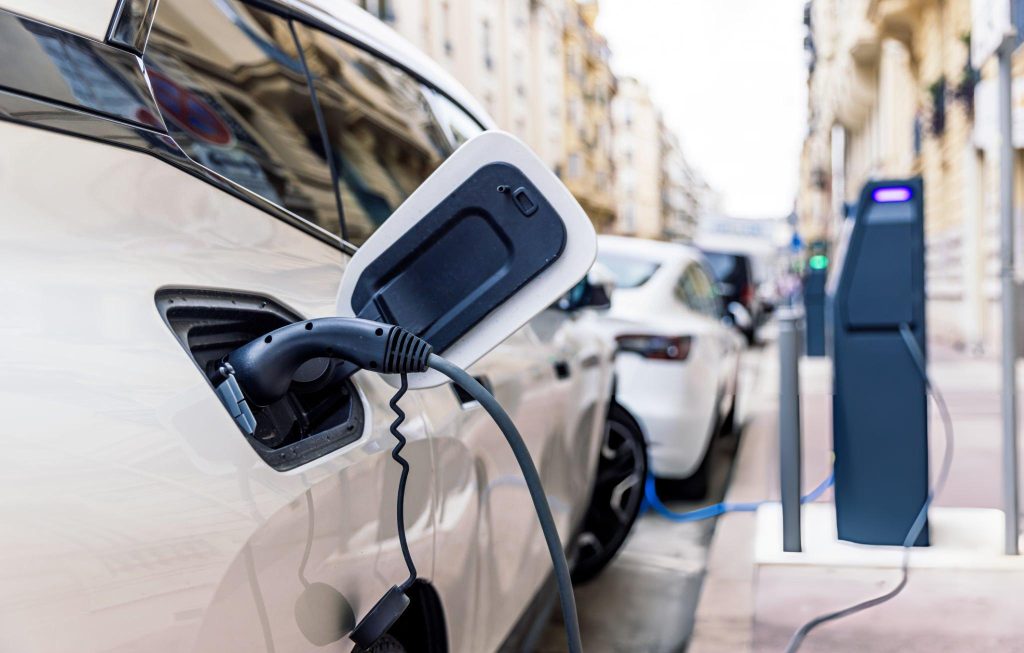
Electric vehicles are becoming a familiar sight on roads and in driveways across the UK. As more drivers make the switch, workplaces are being encouraged to keep up with changing needs. This isn’t just about being environmentally conscious. It’s about being practical and forward-thinking. Staff, customers, and visitors are all beginning to expect access to convenient, on-site EV charging.
In places like Surrey, where the number of EVs is on the rise, planning the right infrastructure now can prevent stress later. Preparing your business for workplace EV chargers isn’t as tricky as it sounds, but it does take a bit of forethought. From knowing how many charge points you need to understanding where to place them, getting started early makes the whole process smoother.
Assessing Your Business Needs
Before you break ground or hire anyone, it helps to step back and look at what your business actually needs. Every workplace is different. A small office in Guildford won’t require the same setup as a large warehouse or retail park. The size of your team, how many people drive EVs, and how the space is used all play a role in choosing the right approach.
Start with a few simple questions:
– How many employees, visitors, or tenants currently use EVs?
– Are there plans to increase electric vehicle use within your company?
– Is there enough parking space to support new installations?
– Will the electrical supply handle the extra demand?
Try to think about five or ten years down the line too. Even if only a few people are driving EVs now, that number might go up quickly. Building in flexibility makes it easier to expand the setup later without starting from scratch again. Many businesses opt for a phased approach, installing a few chargers now with the wiring ready for more later.
One retail manager in Woking found that while his team of five only had one EV initially, within a year, three more staff members made the shift. Because they planned ahead, installing extra chargers was simple and caused no major disruptions.
Having a clear idea of your needs makes everything that follows far easier, from choosing the right equipment to working with a qualified installer.
Choosing the Right EV Chargers
Knowing what you need is one thing. Picking the right type of charger is another. Not every charger suits every setup, and using the wrong kind can lead to longer charge times or unnecessary strain on your system.
Here’s a quick breakdown of the main charger types you’ll see on the market:
1. Level 1 – Rare in commercial settings. These plug into standard sockets and offer the slowest charge. More suited to residential use.
2. Level 2 – A popular choice for workplaces. These give a faster, reliable charge and are ideal for vehicles parked during the workday.
3. DC Fast Chargers – Best for rapid charging, ideal for places like delivery depots or locations with high vehicle turnover.
Think about how long people typically stay at the site. If it’s an office, they might leave their car parked for eight hours, so Level 2 chargers will do the job fine. For businesses with fleet vehicles operating on tight schedules, a faster option could be worth the investment.
Another thing to consider is how many vehicles can charge at once. Some chargers come with dual ports. Others can be set up in banks to share power across multiple bays.
Working with local EV charger installers means you can get honest, location-specific advice. They’ll think about your power supply, the layout of your parking, and your long-term needs from day one. That kind of planning helps avoid costly changes later and gives you the system that fits your space best.
Installation and Safety Standards
Once you know what kind of EV chargers you need and where to place them, it’s time to plan for installation. This step isn’t just about mounting a charger to a wall and plugging it in. It involves checking your current electrical system, making upgrades if needed, and ensuring the whole setup is safe and compliant.
Every commercial EV charger installation must follow national wiring regulations and safety codes. This includes confirming that your fuse board can handle the extra load and that your cabling is the right size and quality. The last thing you want is for charging units to trip your circuits or create electrical risks due to overloading.
There are certain steps you should expect as part of a professionally managed installation:
– A detailed site survey to assess your power capacity and parking layout
– Recommendations on charger types, quantities, and placement
– Any electrical system upgrades needed to support the chargers
– Safe wiring and placement, including best practices for cable runs
– Testing, certification, and user instruction once the job is complete
In some cases, local permits or permissions may be needed. This can include listed buildings, shared parking areas, or installations near public pathways. A qualified installer should manage all of this and take the guesswork out of the process.
Hiring someone local can also help with timing. In busy areas like Surrey, familiar installers know what local councils look for and can often speed things up. When safety is the goal, trusting professionals is always the better move.
Maximising Benefits and Efficiency
Once your chargers are installed, it’s worth taking a step back and thinking about how to make the most of them. EV infrastructure works best when it ties in smoothly with your existing systems and supports your business goals too.
Here’s how you can take things to the next level:
– Use chargers that support smart scheduling to avoid peak electricity rates
– Consider a load management system that balances power between units
– Track usage so you can plan for future upgrades if demand increases
– Offer charging as an employee perk, especially if they travel for work
– Highlight the chargers as a feature for customers and visitors
There are also government-backed schemes which may offer financial support or incentives for businesses installing EV points. While these schemes can vary, some might help offset installation costs or encourage businesses to adopt energy-saving technology.
One small business owner in Reigate found that by offering free workplace charging, she attracted new hires and improved staff retention. She also set up a simple booking system for the chargers so guests and employees didn’t bump into scheduling conflicts.
If you approach your EV infrastructure with both planning and purpose, it can become more than just a charging spot. It becomes a service that adds value for your team and your bottom line.
Preparing Your Workplace for Tomorrow’s Needs
Getting your workplace ready for EV charging doesn’t have to be a huge project. With the right planning, a few key decisions, and the help of professionals, it can be done without major disruption. What matters most is fitting your setup to match your space, your team, and your goals.
Surrey businesses are already adapting to new transport trends, and adding chargers is a smart next step. The move shows you’re keeping pace with how people live and work. Whether it’s one charger or several, taking action now lets you stay ahead of the curve and ready for what’s next.
Professional support will ensure everything works safely and smoothly. You’ll avoid shortcuts and guesswork and get a system that’s right for both today and tomorrow.
For businesses in Surrey planning future enhancements, working with local EV charger installers can make all the difference. John Carpenter Electrical offers trusted support to carry out reliable installations with minimal disruption. If you’re ready to future-proof your workplace, we’re here to help from the start.
